The New Rules of Music-Driven PR Activations
-
catégorieCulture, Event Marketing, Marketing d'influence
-
auteurFrederique Roy
-
dateaoût 4th, 2026
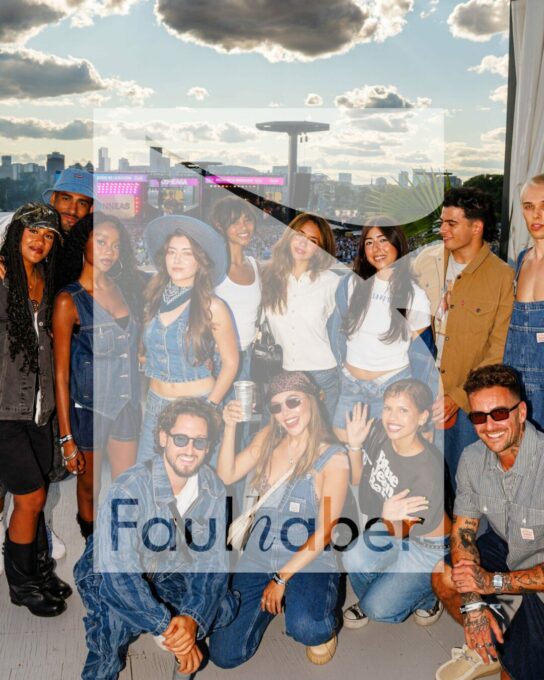
If you’re like me and have an ungodly amount of daily screen time, you’ve likely seen a very specific genre of influencer content: a glossy, high-production « Get Ready With Me » video featuring a creator preparing for a concert. They are dressed to the nines, riding in a private black car, and heading straight to a heavily branded VIP suite.
The catch? Halfway through the night, they post a video captioned something like: « I don’t really know any of their songs, but the vibe is immaculate! Thanks to [Brand] for having me!«
Once upon a time, live music was something any fan could easily access. Today, it’s the ultimate experiential PR playground. Brands are buying out VIP boxes, flying in creators, and using live music as a glamorous backdrop for content factories. On paper, it’s a brilliant strategy for brand visibility. But in reality, this trend is hitting a massive wall of consumer fatigue.
Concerts aren’t generic marketing backdrops anymore. They are highly emotional, high-stakes environments – and lazy influencer casting is sparking a cultural backlash.
Ticket Scarcity vs. Influencer Privilege
To understand why a seemingly harmless VIP invite can trigger a PR nightmare, you have to look at the reality of the modern concertgoer.
Getting a ticket to see a major artist today is a grueling, exhausting feat. Being an avid concertgoer myself, I can speak from experience. To get tickets, you have to survive chaotic Ticketmaster pre-sales, battle automated bots, wait in online queues for hours, and often part with a month’s rent just to sit in the nosebleeds (aka what I’ve done to go to both the Eras Tour and the Cowboy Carter concert). For die-hard fans, live music has become a scarce, deeply coveted luxury.
Now, imagine that same fan – who was priced out of the tour – watching from home as a tier-one lifestyle influencer dances in a front-row VIP tent. The influencer didn’t wait in a queue, didn’t pay a dime, and worse, doesn’t even know the lyrics to the artist’s biggest hits.
When brands hand priceless cultural assets to creators purely based on follower count rather than genuine fandom, it stops looking like an aspirational campaign. It signals to the public that a brand values algorithmic reach far more than authentic community.
Moving From « Reach » to « Relevancy »
Working in an agency, I know this doesn’t mean brands should stop activating at concerts. Experiential marketing remains one of the most powerful ways to build emotional connections with consumers. However, it does mean the era of lazy, blanket guest lists is officially over. Our job isn’t just to fill a suite; it’s to protect our clients from internet backlash while maximizing their ROI.
Here is how we rewrite the playbook:
Vibe-Checking the Guest List
A massive follower count should never be the sole metric for an invite. Of course, it’s impossible for us to know exactly what an influencer’s Spotify account looks like. The easy way would be to point-blank ask them for their Spotify Wrapped or shoot them an email with the classic “name 5 songs from this artist,” but that’s not what we do. What we can do is to look to their social pages for clues. Have they used their songs in past videos? Do they organically fit the specific aesthetic subculture of the tour (e.g., western vs. indie sleaze vs. hyper-pop)?
A creator who is a genuine fan will produce content that resonates deeply with the broader fandom. That authenticity translates to massive, positive organic engagement. Conversely, a non-fan will look stiff, miss the cultural nuances, and inevitably trigger a highly critical comment section.
Rewriting the Creative Brief
If a brand is gifting a highly sought-after ticket, the expectations need to go beyond a basic, generic outfit transition video. PR agencies should challenge creators to document the experience of the concert day creatively. How does the brand seamlessly elevate the fan experience, rather than interrupting it? If they know the artist and are a fan of them, speak about their love for them and how amazing it was to hear X song live.
Respecting the Fandom
Live entertainment is one of the last remaining places where people can experience a deep, undivided sense of physical community. Fandoms are highly protective of these spaces, and they can spot a forced corporate partnership from a mile away.
As PR professionals, our ultimate goal is to insert brands into culture seamlessly. When we treat concert tickets as mere transaction currency rather than profound cultural experiences, everyone loses. The future of experiential PR belongs to the brands that respect the music, respect the fans waiting in line, and always take the time to pass the vibe check.