Powering Up PR: The Timothée Chalamet Case Study
-
categoryCulture, Other, PoweredPR®, Public Relations
-
authorBrigid Savage, Account Manager, PR & Strategy
-
dateMarch 19th, 2026
Traditional celeb PR typically leans on a linear stack of tactics: teaser videos, junket days, late-night appearances, magazine covers, then awards. And that used to be enough. However, that type of tactical execution is not enough to make a lasting impact anymore. For audiences that are inundated with never ending content and a world of sameness pushed out by algorithms, in order for a campaign to break through, it needs to be disruptive (for better or worse).
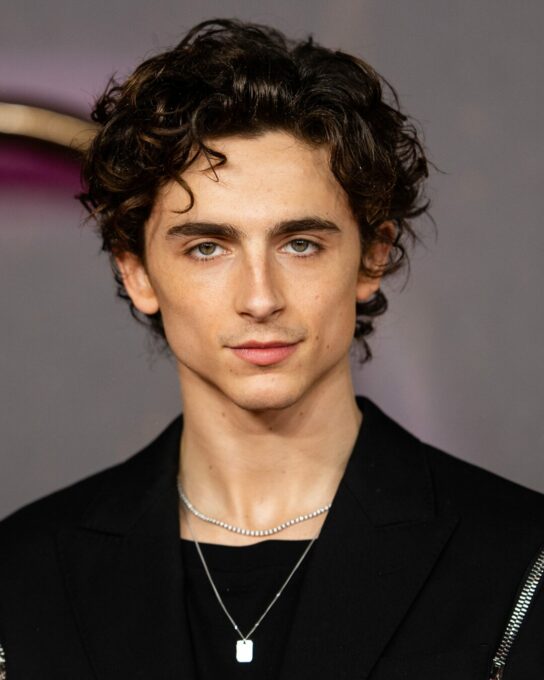
Arguably one of the best in class when it comes to celeb PR is Timothée Chalamet, whose breakout role was playing Matthew McConaughey’s son in Interstellar. From there, his career took off, and he landed key roles in highly-regarded films like Lady Bird, Little Women, Beautiful Boy, and Dune. While on this hot streak, Chalamet’s press appearances were pretty standard – although his tone in interviews and on social media were determinedly down to earth and low-key.
But then something shifted. When Chalamet landed the role of Bob Dylan in the biopic The Complete Unknown, his approach changed. All of a sudden Chalamet was showing up at his own look alike contests on the streets of New York, riding a Lime Bike to the London premiere, and doing a Nardwuar interview.
And that approach continued with Marty Supreme, a campaign that went even further in creating a brand world outside the film for Chalamet’s character. These moments included a staged Zoom call of the film’s “marketing team” to his 20 million + followers, an appearance on the top of the Las Vegas Sphere (lit-up orange to mirror the ping pong ball from the film), and a branded jacket that ended up on a slew of celebrities.
Unlike old-school PR that leans heavily on junkets, trailers and talk show appearances, this approach behaves like a brand-level strategy: one clear narrative, expressed differently on every channel, with space to react to what fans actually pick up on. That’s the same logic behind modern 360 campaigns like Charli XCX’s Brat, where music, visuals, memes, TikTok sounds, typography, live shows and brand collabs all reinforced one acidic, hyper-online aesthetic – and the result has been long-tail cultural resonance, from ongoing user generated content to brand partnerships and even visual trends in nightlife and fashion long after release.*
Similarly, Chalamet’s approach feels less like traditional press tours and more like culture-led integrated campaigns that treat every moment as an opportunity to reiterate the brand. They blend red carpets, fashion, social content, fan communities and stunts into one connected ecosystem that lives far beyond opening weekend.
At Faulhaber, we implement PoweredPR® as essentially the structured, brand-side version of this kind of thinking: connecting earned media, creator partnerships, social, experiential and paid into a single strategy, then uses real-time insights to double down on what’s working instead of sticking to a rigid press calendar. For marketers, the takeaway is to stop treating PR as a one-off launch moment and start designing campaigns as living, 360 cultural systems—so your next release or product drop can behave more like a Timothée promo run, with impact that compounds over months instead of days.
*This post was written before the controversy surrounding Timothée Chalamet’s more recent public statements, which have definitely turned the public against him. From commentary on how he does not want to work in “ballet or opera” because “no one cares about this anymore,” to critiques of his arrogant attitude when it comes to awards, he’s most definitely under fire right now (but hey, do we still believe in the adage that any publicity is good publicity?). Either way, his approach is one that stands out and pushes discussion of him and his ventures.