Why Every Modern PR Agency Is Now a Content Production Studio
-
categoryDigital Marketing, Influencer Marketing, Public Relations
-
authorMichelle Jobin, Director, Media & Strategy
-
dateFebruary 27th, 2026
For a long time, the word content was simply a placeholder: a convenient shorthand for the many disciplines that bring ideas to life. Video. Photography. Writing. Design. Craft, in all its forms.
What mattered wasn’t the label, but the impact. The ability of a story to connect, to resonate, and to move people. That remains true today, even as the scale, speed and expectation around content have evolved.
Because content, when done well, has always been central to effective storytelling. It is how ideas take shape, how narratives travel, and how brands earn relevance over time. What has changed is not the importance of content, but the role it now plays within public relations.
That shift has fundamentally reshaped the industry.
Content Has Always Been the Work
Long before “content” became industry shorthand, it was simply how stories were built, distributed and sustained. Strong ideas were shaped visually. Narratives were designed for specific audiences. Messages were adapted to the moment and the medium.
What has changed is not the importance of storytelling, but where the emphasis sits.
Public relations was once primarily about placing stories. Today, it is increasingly about creating them intentionally, strategically and with longevity in mind.
Whether expressed through broadcast, editorial, social platforms or lived experiences, compelling content does the same thing every time: it captures attention, evokes emotion and motivates action.
A Full-Circle Moment for PR
There was a time when success in PR was defined almost entirely by the pitch: who was contacted, who responded, and where the coverage landed
Now, that logic feels newly relevant.
Earned media matters again. Not only for credibility, but because it increasingly shapes how brands are discovered, understood and validated through AI-powered search and generative experiences. Authoritative coverage now informs how brands are summarized, recommended and surfaced in emerging discovery environments.
But earned media cannot carry the story alone.
Coverage delivers its greatest impact when it is part of a broader content ecosystem supported by owned storytelling, social amplification and real-world experiences that reinforce the narrative wherever audiences encounter it. Visibility still matters. Context matters more. This is digital PR today: not as a channel, but as a way of thinking.
From Content Creation to Narrative Systems
Modern PR is no longer about generating attention in isolated moments. It is about building systems that support a story over time.
A single announcement rarely stands on its own. It needs context. Reinforcement. Assets that can be adapted, extended and reintroduced across platforms without losing meaning or coherence.
This is where content production becomes inseparable from public relations – not as volume, but as intention.
The focus shifts from what can we place to what are we building? From short-term spikes to long-term narrative equity.
The Rise of the Content-Led PR Agency
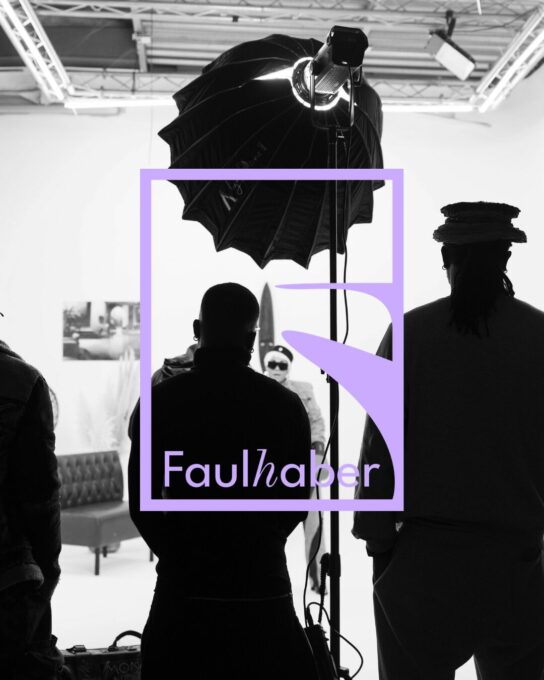
The agencies doing the most effective work today (especially leading PR agency Toronto teams) do not look like traditional PR firms. They operate more like editorial studios, guided by strategy, grounded in storytelling, and designed for longevity.
They think in narratives, not tactics. In audience behaviour, not just media lists.
In momentum, not just moments.
A modern PR agency understands that earned coverage is only the beginning. The real value comes from what happens next, and how a story is extended and embedded into a brand’s broader presence across platforms and time.
That extension increasingly includes influencer marketing as well; not as a parallel tactic, but as a form of modern earned influence. When approached strategically, creators don’t replace media coverage, but they can act to amplify and carry the story into communities where trust is built through relevance, not reach.
When stories stop at the headline, impact stalls. When content is built with intention from the start, everything works harder: media, social, partnerships and experiential moments included.
That is not accidental. It is designed.
Why This Matters for Lifestyle and Tourism Brands
For lifestyle and tourism brands in particular, discovery rarely follows a straight line.
People encounter destinations, experiences and brands through inspiration first – whether it’s a story, an image or recommendation – long before they buy or book. Curiosity begins well before intent.
That means every touchpoint matters. From editorial coverage and social storytelling to owned platforms and on-the-ground experiences, these brands require narratives that feel cohesive and considered. Stories must be built to show up wherever curiosity begins, including how destinations are surfaced, summarized and recommended through AI-driven discovery.
In this space, PR is not just about awareness. It is about shaping perception over time, creating desire, trust and memory well before the moment of decision.
PR Isn’t Becoming Content, It Already Is
At its core, public relations has always been about storytelling. What has changed is the expectation that stories must now be built, not simply pitched.
The agencies that will continue to lead are those that think like creators, operate like editors, and approach communications as an ongoing narrative instead of a series of isolated outputs.
If you want to do this work well and build brands that endure, becoming a content production studio is non-negotiable.
A Note from Faulhaber
At Faulhaber, this content-led approach already guides how we work with brands every day: shaping narratives that resonate across media, platforms and real-world experiences. Because when content is created with intention from the outset, it delivers more than attention; it creates lasting relevance.